


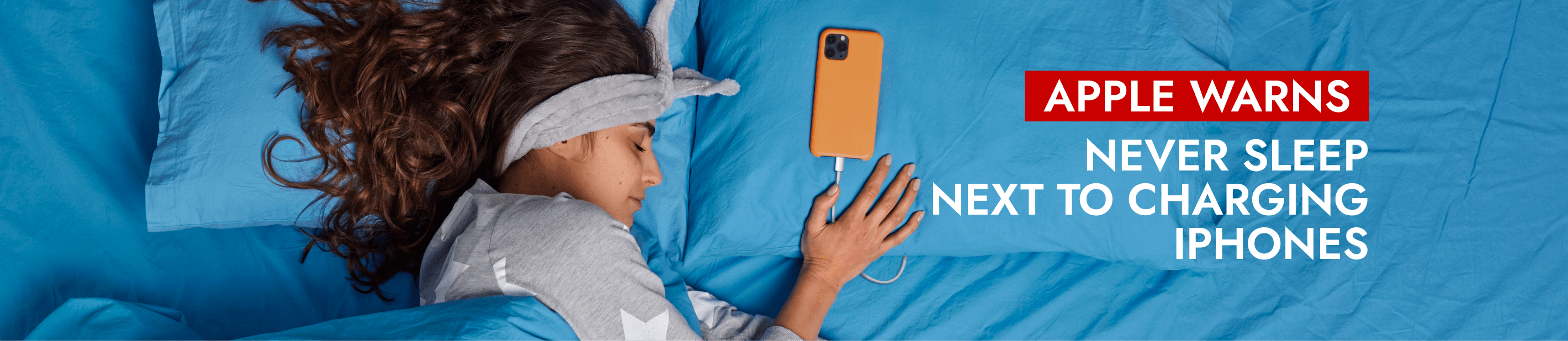

Sleeping next to a charging phone can pose both safety and health risks. Apple warns users not to charge iPhones under pillows, blankets, or on soft surfaces where heat cannot dissipate, as this can lead to overheating and potential fire hazards. Charging your iPhone overnight is safe when using a certified charger on a hard, ventilated surface, and features like Optimized Battery Charging help protect battery health.
Apple's updated user guide specifically cautions against charging iPhones in bed or under bedding. This is not a warning against overnight charging itself, but rather a reminder to avoid blocking heat dissipation. Sleeping next to a charging phone also raises concerns about sleep quality and exposure to blue light and notifications, which can disrupt restful sleep.
Key takeaways
- Sleeping next to a charging phone can increase fire risk and disrupt sleep quality, according to Apple and sleep experts.
- Apple advises charging iPhones on hard, well-ventilated surfaces—not under pillows or blankets—to prevent overheating.
- Overnight charging is safe for iPhones if done with certified chargers and proper ventilation, thanks to features like Optimized Battery Charging.
- Modern iPhones are designed to handle overnight charging without significant battery damage, especially with iOS battery management features.
- Using a dedicated charging station like NYTSTND helps keep devices organized, safe, and away from your sleeping area.
Why does Apple warn about sleeping next to a charging phone?
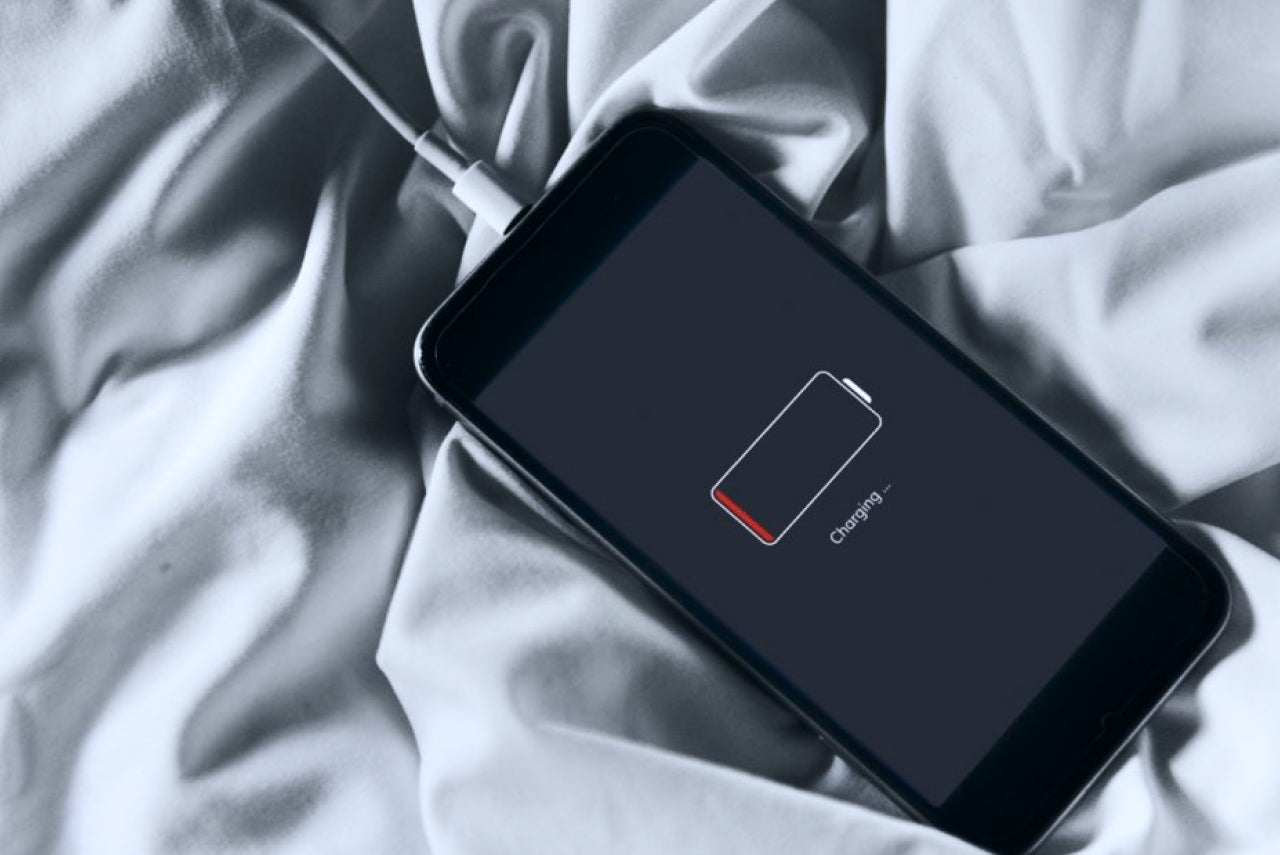
Apple's warning centers on the risk of overheating when iPhones are charged on soft surfaces or under bedding. Placing a charging phone under a pillow or blanket can trap heat, increasing the chance of the device overheating or, in rare cases, causing a fire. Apple recommends always charging on a hard, flat, and well-ventilated surface to allow heat to dissipate safely (Apple Support).
Is it bad to sleep next to a charging phone?
Sleeping next to a charging phone is not recommended for both safety and health reasons. The main safety risk is overheating if the phone is covered or placed on a soft surface. From a health perspective, proximity to a phone can disrupt sleep due to blue light exposure and notifications. Studies show that reducing phone use before bed improves sleep quality and duration (NCBI study).
Is it safe to charge an iPhone overnight?
Charging your iPhone overnight is safe when you use an Apple-certified or Qi-certified charger on a hard, ventilated surface. Modern iPhones are designed to handle overnight charging, and features like Optimized Battery Charging and iOS 18's Charge Limit help preserve long-term battery health. Avoiding counterfeit chargers and improper charging locations is key to safety.
What are the risks of overnight charging on soft surfaces?
Charging on soft surfaces like beds or couches can trap heat, increasing the risk of overheating and, in rare cases, fire. Most incidents involve non-certified chargers or damaged batteries. Always use certified accessories and charge on a hard surface to minimize these risks.
How does overnight charging affect iPhone battery health?
With features like Optimized Battery Charging, iPhones limit the time spent at full charge, reducing battery wear. Overnight charging is a standard use case, and the impact on battery health is minimal for most users. For those seeking maximum longevity, iOS 18 allows setting a charge limit below full capacity.
How can a charging station like NYTSTND help?
A dedicated charging station such as NYTSTND ensures your devices charge on a hard, ventilated surface, reducing fire risk and helping keep your nightstand organized. NYTSTND's handcrafted wood-and-leather designs blend with your bedroom decor and encourage placing your phone away from your sleeping area, supporting better sleep habits. For multi-device users, NYTSTND offers QUAD TRAY, TRIO TRAY, DUO TRAY, and UNO TRAY options, all Qi2 and MagSafe-compatible.

Frequently Asked Questions About iPhone Charging Safety
Can my iPhone catch fire while charging overnight?
iPhone fires are extremely rare and typically involve counterfeit chargers, damaged batteries, or charging under bedding. Using a certified charger on a hard surface poses minimal risk.
Does overnight charging damage my battery?
Not significantly, thanks to Optimized Battery Charging and iOS battery management features. Modern iPhones are built to handle overnight charging safely.
Should I charge my iPhone to 100% or stop at 80%?
Charging to a lower percentage can slightly improve battery longevity, but the difference is small. iOS 18's Charge Limit lets you set a maximum if desired; for most, automatic management is sufficient.
Is wireless charging worse for my battery than wired charging?
Wireless charging produces slightly more heat, but with quality chargers, the impact on battery health is minor and outweighed by convenience for most users.
My phone gets warm during wireless charging. Is this dangerous?
Some warmth is normal during wireless charging. If your phone becomes uncomfortably hot, check for charger issues or case interference.
Does Apple recommend any specific third-party chargers?
Apple does not endorse specific brands but recommends using MagSafe-compatible and Qi-certified chargers for safety and performance.


